Impact of Pesticides on Bees
Table of Contents
Agricultural chemicals have changed the landscape for bees and other wild pollinators. For decades, regulatory testing focused primarily on “acute toxicity”—how much of a single chemical it takes to kill a bee immediately.
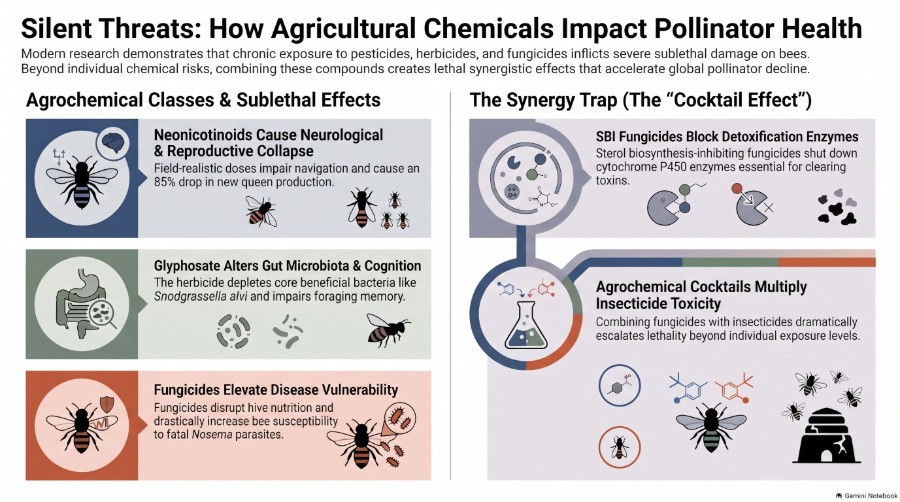
However, modern science reveals a much more complex picture. Sub-lethal effects (harm that doesn’t kill the bee instantly but compromises its survival) and the synergistic “cocktail effect” of combining multiple chemicals are major drivers of global pollinator decline.
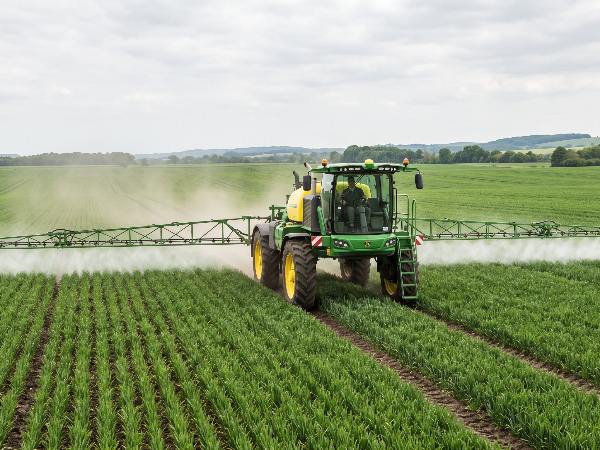
Here is a comprehensive breakdown of how the three main classes of chemicals—insecticides (specifically neonicotinoids), herbicides, and fungicides—impact bees.
1. Neonicotinoids: The Systemic Threat
Neonicotinoids (often called “neonics”) are the most notorious class of insecticides regarding bee health. Unlike older sprays that sit on the surface of leaves, neonics are systemic. Seeds are coated in the chemical, which is then absorbed into the plant’s vascular system as it grows, making every part of the plant—including the pollen and nectar—toxic to insects.
While designed to target crop pests, bees are directly exposed when foraging. Because of their severe impact, the EU and the UK have banned their general outdoor use, though emergency authorizations have occasionally remained a point of heavy contention.
Key Impacts on Bees:
- Neurological Damage: Neonics bind to receptors in the bee’s central nervous system, causing overstimulation, paralysis, and death at high doses.
- Navigational Failure: At sublethal doses, neonics severely impair a bee’s spatial memory. Foragers forget the location of their hive or become disoriented, leading to a failure to return home.
- Colony Collapse: Because affected foragers cannot bring back food, the colony starves. Studies show bumblebee colonies exposed to neonics produce significantly fewer new queens, directly driving population decline.
- Immune Suppression: Exposure weakens the bees’ immune systems, making them highly susceptible to naturally occurring viruses and parasites, such as Varroa mites.
2. Herbicides: Starvation and Gut Disruption
Herbicides, such as glyphosate, are designed to kill plants, not insects. For a long time, their primary threat to bees was considered purely ecological: they eradicate “weeds” (like clovers, dandelions, and wildflowers), thereby creating agricultural deserts and starving pollinators.
However, recent studies have revealed alarming direct physiological effects on bees.
Key Impacts on Bees:
- Microbiome Destruction: A bee’s gut contains specialized bacteria that are crucial for digestion and immune defense. These bacteria utilize the exact biological mechanism that glyphosate targets. Exposure disrupts the bee’s gut microbiome, making them highly vulnerable to fatal infections.
- Cognitive Impairment: Recent evidence shows that glyphosate exposure can negatively affect honey bee sensory and cognitive abilities, impairing their ability to locate and remember floral resources.
- Loss of Forage: On a macro level, the aggressive use of broad-spectrum herbicides wipes out the diverse, continuous bloom of native flora that wild bees need to survive throughout the season.
3. Fungicides: The Hidden Synergizers
Because fungicides target fungal diseases, they have historically been classified as “bee-safe” and are routinely sprayed directly onto blooming crops while bees are actively foraging.
Modern research has overturned the assumption that fungicides are harmless to insects. While rarely acutely lethal on their own, they cause significant sublethal damage and play a massive role in the “cocktail effect.”
Key Impacts on Bees:
- Nutritional Deficits: Fungicides alter the microbial environment of pollen. Bees rely on specific fungi and bacteria to ferment gathered pollen into “bee bread,” which makes it digestible for larvae. Fungicides disrupt this fermentation, leading to malnutrition in the hive.
- Increased Pathogen Susceptibility: Exposure to certain fungicides has been strongly linked to increased levels of devastating and often fatal fungal gut parasites in bees.
- The Synergy Trap: This is the most dangerous aspect of fungicides. Many fungicides inhibit the specific detoxifying enzymes that bees use to clear toxins from their bodies. When a bee is exposed to a fungicide, it loses its ability to detoxify other chemicals.
4. The Cocktail Effect
In a real-world agricultural landscape, a bee never encounters just one chemical. A foraging bee might land on a crop treated with a fungicide, drink water from a puddle contaminated with herbicides, and gather pollen laced with neonicotinoids.
This combined exposure leads to synergistic toxicity, where the combined effect of the chemicals is exponentially worse than the sum of their individual parts.
For example, an insecticide that might only cause mild disorientation on its own becomes a lethal dose if the bee has also ingested a fungicide that shuts down its detoxification system. The cumulative toxic load from these overlapping chemicals is a primary driver of colony losses and wild bee declines.